
Tuesday 17 March 2026
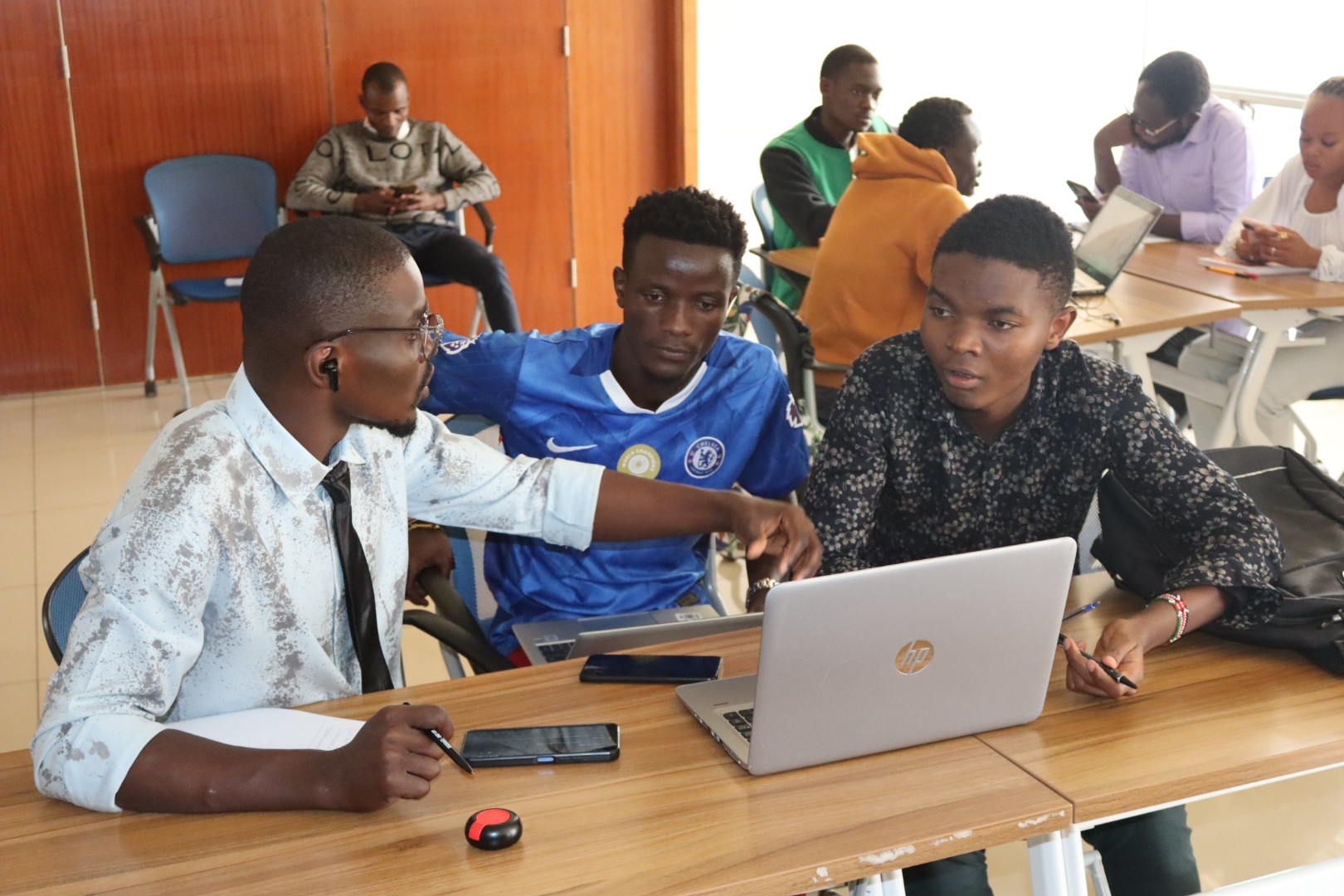
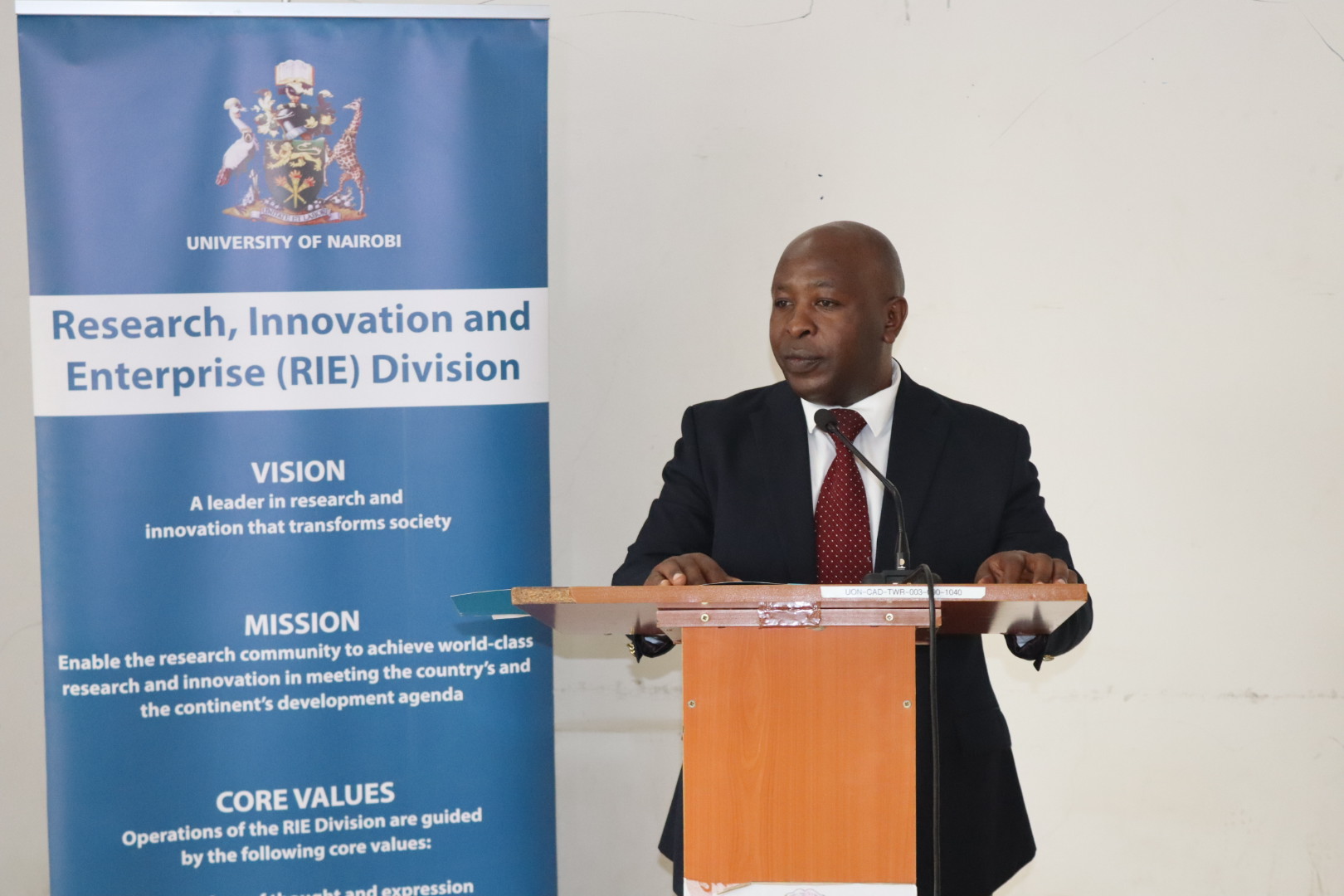
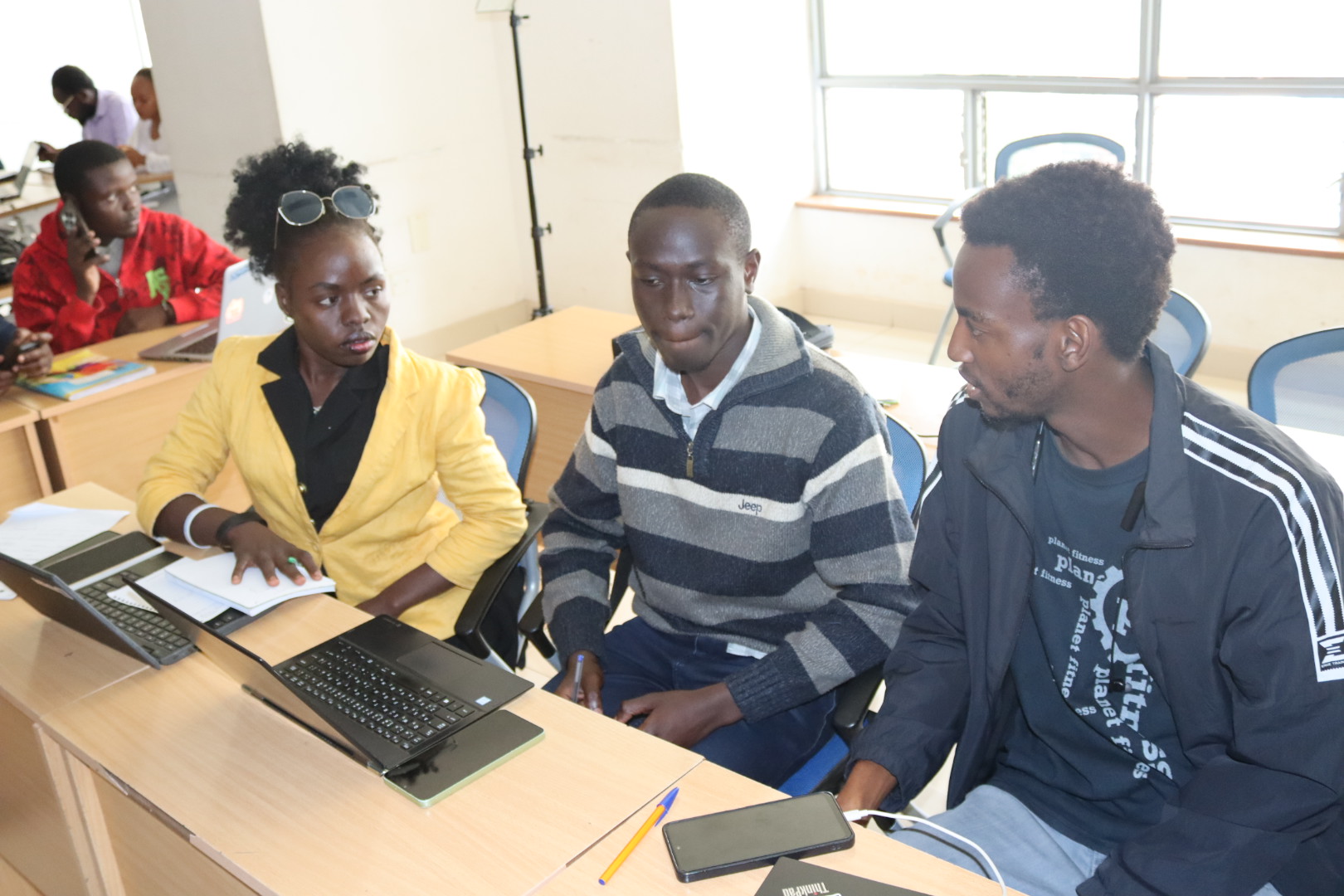
The University of Nairobi is actively seeking to strengthen ties with strategic industry partners in its approach to creativity and commercialization. Professor Maina Wagacha, Director of Innovation and Intellectual Property Management, noted that while the University was traditionally viewed as an isolated Ivory Tower, it is proactively reaching out to industry leaders to ensure innovation becomes a permanent part of its culture and focus. Prof. Wagacha made these remarks during today’s official opening of the high-level “Bio-Tech & Med-Tech Innovation Challenge” at the University’s Main Campus.
The University’s proactive stance has attracted a prestigious network within the local innovation ecosystem, including partners of the ongoing challenge such as Kenya National Innovation Agency (KENIA), Startup School Kenya, Anza Village, and UK-Kenya Tech Hub.
The intensive 72-hour innovation challenge, which ends on 19 March 2026, tasks students with actualising raw proposals into interesting innovations that will be developed further. Participants are also expected to form interdisciplinary teams, combining expertise from their various disciplines of engineering, health sciences, business management, and arts and social sciences to move beyond academic isolation and build scalable solutions. The ultimate expectation is for teams to produce a Minimum Viable Product (MVP), secure Intellectual Property (IP) protection, and eventually launch a viable business venture.
The CEO of Anza Village, Ms Wangechi Wahome, emphasised collaboration to produce strong teams capable of developing solutions for the market. "Be open to forming new partners with people from other disciplines because that is how you build your future", she said. The Executive Director of UK-Kenya Tech, Mr Enos Waswa, inspired the group of potential innovators by sharing success stories of former students of the University of Nairobi who are reaping big from their ventures. “It is practically achievable to put your mind into a problem that exists out there and generate revenue", he said. The students drew further inspiration from Dr. Mohammed Jamal of Afya Innovation Lab, whose innovation journey began during his days as a medical student at UoN.
At the start of the programme, several students presented their ideas for discussion under the themes of the challenge including Medical and Diagnostic Technology; Biomedical Devices and Health Systems Innovations; and Digital Health and Data-enabled Solutions. During the 72-hour challenge, the students are expected to transition from discovery and ideation to intensive hacking, focusing on problem validation, prototype design, and user testing. The programme culminates in a pitching session where teams present their final solutions to a panel of judges for a chance to be announced as winners.
The university’s commitment to promoting innovation and entrepreneurship extends far beyond the initial 72 hours; successful teams will transition into five weeks of intensive online mentorship. Professor Wagacha pledged further support from the University: "We are going to help you protect your innovations; we will help you with licensing and with technology transfer to ensure student ideas successfully reach the global market”.
- Log in to post comments


